Turkey’s Nationwide Single Use Plastics Ban by End of 2026: A Significant Step Toward Sustainability
- Share
- publisher
- Greenwood Woodencutlery
- Issue Time
- Mar 19,2026
Summary
In March 2026, Türkiye (Turkey) is advancing a major environmental policy to ban several single-use plastic products nationwide, with implementation targeted by the end of 2026 (some restrictions possibly starting as early as September 1, 2026, and others phased in by 2027). This is part of the country's Zero Waste initiative and the National Circular Economy Strategy and Action Plan (2025–2028), which entered force in October 2025.
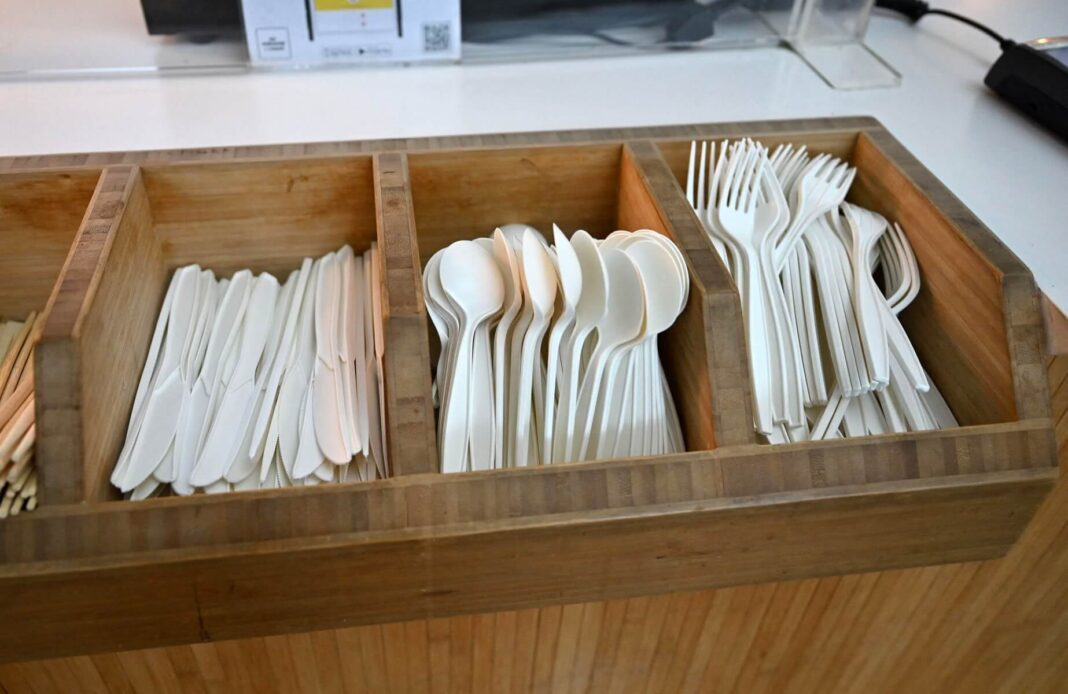
In 2026, Türkiye (Turkey) is preparing to introduce one of its most comprehensive environmental policies yet — a nationwide ban on several single use plastic products. The regulation is part of the country’s broader Zero Waste initiative and National Circular Economy Strategy and Action Plan (2025–2028). It is largely modeled on the European Union’s 2019 Single Use Plastics Directive, which aims to reduce plastic pollution and its environmental impacts.
What the New Regulation Will Ban
According to draft regulations finalized by Turkey’s Ministry of Environment, Urbanization and Climate Change, the following products will be prohibited from sale and distribution once the policy takes effect (expected by the end of 2026):
Plastic cutlery (forks, knives, spoons, chopsticks)
Plastic plates
Plastic straws
Plastic stemmed cotton buds
Expanded polystyrene (EPS) food containers and beverage cups (commonly known as foam packaging)
Government officials have also indicated that future phases of the policy may expand restrictions to other plastic products such as wet wipes, cleaning towels, and shopping/cargo bags that contain plastic or are difficult to recycle.
Sustainable Alternatives Encouraged
Turkey is encouraging industries and consumers to shift from disposable plastics to sustainable alternatives such as:
Glass
Porcelain / Ceramic
Wood
Cardboard and other recyclable materials
These materials are seen as more eco
friendly and easier to integrate into a circular economy model.
In the food service sector, for example, biodegradable cutlery made from wood, bamboo, or molded paper pulp is becoming a practical replacement for plastic utensils.
One example is Greenwood (Dalian) Industrial Co., Ltd., an eco-friendly disposable tableware manufacturer that produces a wide range of sustainable utensils. The company offers wooden, bamboo, and paper-based disposable cutlery, designed for restaurants, catering services, and retail markets looking to transition away from plastic products.
Greenwood operates multiple production facilities with an annual production capacity of up to 6 billion pieces, providing more than 100 types of biodegradable tableware products made primarily from natural birch wood, bamboo, and pulp fiber materials. These products are widely used in catering, airline food service, supermarkets, and food packaging industries.
Such alternatives illustrate how manufacturers are adapting to the global shift toward sustainable food packaging solutions.
Policy Background: Rising Plastic Consumption
The policy is driven by data showing that plastic consumption in Turkey has been growing rapidly. Official statistics indicate that in 2022 alone, Turkey consumed over 709,000 tons of single
use plastic products, including bottles, cups, food containers, cutlery, plates, straws, stirrers, and cotton buds.
The National Circular Economy Strategy and Action Plan (2025–2028) — which entered into force on October 20, 2025 — provides the legislative framework for this plastic ban. The plan sets national objectives for significantly reducing single use plastics, marine litter, and microplastics by 2028.
Estimated Environmental and Economic Benefits
Turkish government officials and environmental analysts estimate that removing these common single
use plastics from the domestic market will generate meaningful ecological and economic benefits:
Environmental Benefits
An annual reduction of approximately 1.5 million tons of carbon dioxide
equivalent emissions.
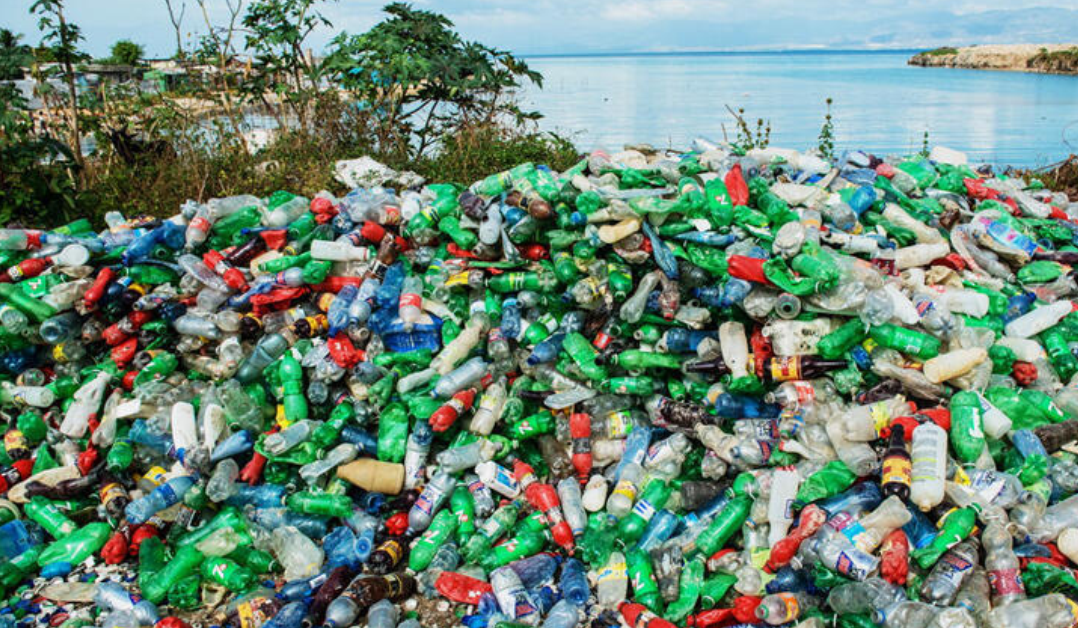
A significant decrease in plastic waste entering coastal and marine environments.
Economic Benefits
Annual savings of roughly 1.5 billion Turkish lira in waste management costs.
Reduced long
term burdens on landfill and recycling systems.
These figures translate into a substantial economic incentive for the Turkish government to pursue plastic reduction alongside environmental protection.
Public Support for the Ban
Surveys conducted in advance of the regulation’s formal launch show strong public approval for limits on disposable plastics:
Around 76-78% of Turkish citizens support restrictions on single use plastics.
Approximately 80% support shifting toward reusable materials like metal, glass, or textiles.
High public support is expected to help accelerate the policy’s implementation and foster cultural shifts away from disposable plastics.
Alignment With International Standards
Turkey’s decision to phase out single-use plastics follows environmental policy trends in the EU and other countries. The draft regulation was developed to align with the EU’s Single Use Plastics Directive, adopted in 2019 to curb plastic pollution and reduce marine litter.
This alignment positions Turkey as a regional leader in sustainable waste management and supports its broader environmental objectives under the Zero Waste initiative.
Conclusion
Turkey’s planned ban on single use plastics represents a landmark environmental policy. By targeting widely used disposable items and encouraging sustainable alternatives, the country is taking concrete steps to reduce plastic waste, lower greenhouse gas emissions, and promote circular economic practices. With strong public support and measurable environmental goals, Turkey’s policy could serve as a model for other nations seeking to balance economic growth with environmental stewardship.