Why Do Sustainable Tableware Prices Vary So Much? — A Procurement Guide and Tips to Avoid Pitfalls
- Share
- publisher
- Greenwood Woodencutlery
- Issue Time
- Mar 11,2026
Summary
The article explains why sustainable (eco-friendly) tableware prices vary widely and provides guidance for buyers to avoid procurement mistakes. Price differences mainly come from raw material types and quality, manufacturing processes, certifications, supply chain efficiency, supplier type, customization needs, and product performance.
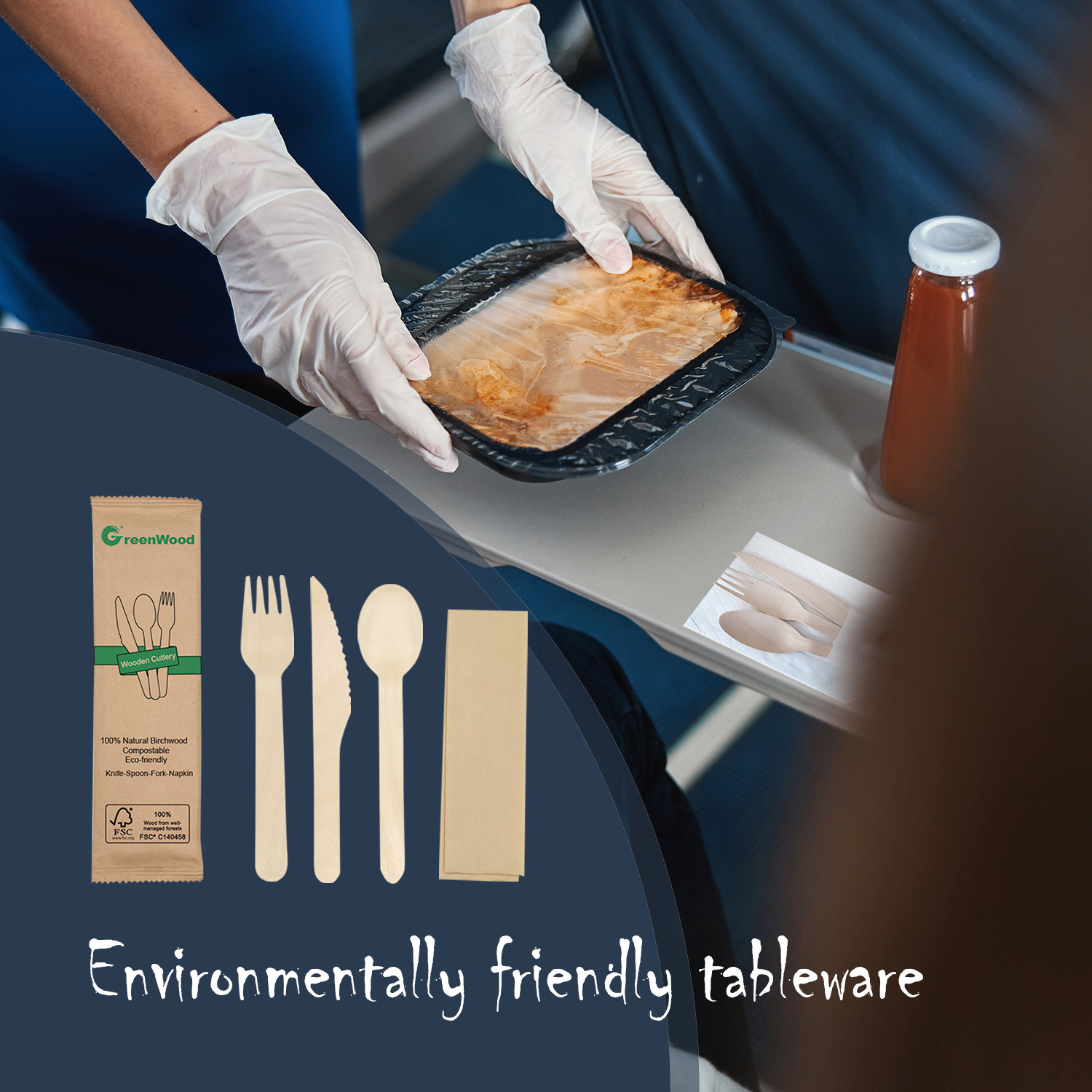
In today's era of heightened environmental awareness, sustainable tableware has shifted from a niche product to a popular choice in the catering and retail markets. However, many buyers are often puzzled when purchasing eco-friendly disposable tableware: Why do seemingly similar products have such huge price differences? Is it enough to just pursue cost-effectiveness to get good products?
This article will delve into the root causes of price differences in sustainable tableware, analyzing the key factors influencing pricing to provide practical insights for buyers. It will help everyone avoid common pitfalls and select products that truly match business needs, quality standards, and budgets. Whether you're a restaurant owner, retailer, or large-scale procurement manager, this guide can lend you a hand.
I.Raw Material Sources and Material Grades
Raw materials are the foundation of pricing for sustainable tableware, and different sources and grades directly lead to cost variations.
1. Bamboo and Wood Materials
Bamboo and wood forks, spoons, knives, and other utensils are highly popular as representatives of eco-friendly disposable tableware. High-quality manufacturers typically select birch or bamboo and obtain FSC (Forest Stewardship Council) certification. This certification ensures the wood comes from sustainably managed forests, involving strict audits and supply chain tracking, which naturally increases material costs. In contrast, low-priced products may use wood from unknown sources or poorly managed forests. Additionally, wood quality affects pricing: Products with smooth surfaces and sturdy structures require carefully selected high-quality raw materials, making bamboo and wood tableware often more expensive than traditional plastic products.
2. Sugarcane Bagasse
Sugarcane bagasse is a common raw material for sustainable tableware, consisting of fibrous residue after sugar production, formed into plates, bowls, and containers through pulp molding processes. Its advantages include compostability, heat resistance, and oil resistance, with moderate raw material costs. However, supply depends on agricultural yields, and sourcing from high-yield sugarcane regions can provide more stable quality and lower prices.
3. PLA Substrate
PLA (polylactic acid) is derived from plant starches like corn and is commonly used for compostable tableware, transparent cups, and coated paper products. Its production process is complex, more expensive than traditional plastics, and requires industrial composting environments to degrade. Therefore, PLA tableware prices are typically higher.
4. Paper with Barrier Coatings
Paper tableware such as plates, bowls, and cups often requires coatings for moisture and oil resistance. Plastic coatings are cheap, but PLA or water-based coatings are more environmentally friendly yet costlier. Some manufacturers mix agricultural waste or recycled fibers to reduce costs, but this may lead to insufficient product strength or odor issues.
In summary, the higher the purity and sustainability of raw materials, the more expensive the price. When procuring, don't overlook material details to avoid buying "pseudo-eco-friendly" products.
II. Production Precision and Technical Standards
From raw materials to finished products, the precision of the production process is another major driver of price differences.
For bamboo and wood tableware, polishing processes are crucial. Low-priced items often undergo only a single simple polishing, resulting in rough surfaces prone to splinters. High-end production lines use multiple rounds of mechanical polishing and apply food-grade carnauba wax for a smooth mouthfeel, enhancing user experience. This requires additional equipment, energy, and time, naturally increasing costs.
For molded products like compostable plates and bowls, mold quality determines shape and strength. Inferior molds produce uneven, fragile items, while high-quality molds, though expensive, yield more reliable finished products.
II.Global Safety Certifications and Compliance
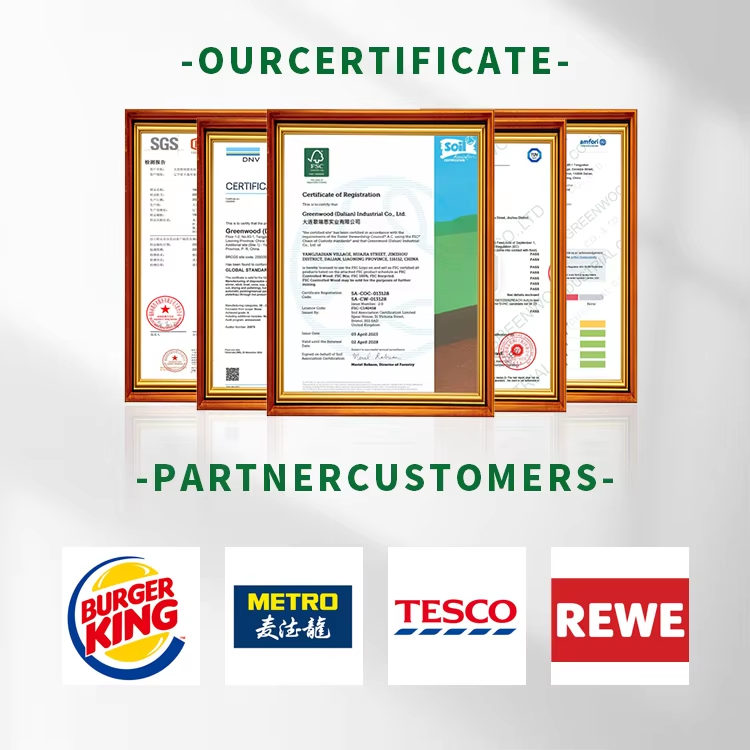
When quotes vary widely, don't forget to check certifications. High-standard certifications increase costs but ensure safety and compliance.
Common international procurement certifications include:
FDA (U.S. Food and Drug Administration): Ensures food contact safety.
LFGB (German standard): Tests for chemical migration and sensory properties, commonly used in the EU market.
BRC Global Standard: Manages food safety, integrity, and quality.
ISO 9001: Quality management system certification.
Environmental certifications prevent "greenwashing":
BPI Compost Certification.
EN13432 European Compost Standard.
OK Compost Certification.
FSC Paper Source Certification.
Low-priced suppliers may omit certifications or skip batch testing, risking legal issues or product recalls. Request certificates before purchasing; better to have none than substandard ones.
IV. Supply Chain Management
An efficient supply chain is a core competitive advantage for companies, significantly reducing costs. Companies with robust supply chains engage in long-term partnerships with raw material suppliers, achieving bulk procurement and minimizing intermediaries. They also have complete production and distribution systems, collaborating with international freight giants (such as Maersk, APL, OOCL, COSCO Shipping, DHL, UPS) to ensure efficient, low-cost transportation.
Conversely, outdated supply chains lead to high operational costs and inflated product prices. Choosing manufacturers with global supply chains can yield more reasonable quotes.
V. Direct-Sale Manufacturers vs. Trading Companies
The principle for B2B procurement: Prioritize factory direct sales. Direct sales bypass intermediaries, shorten the supply chain, and reduce layered markups. Buyers can also communicate production details directly, track progress, and ensure stable supply.
Compared to trading companies, direct sales also offer flexible customization and efficient after-sales. For sustainable tableware wholesale, the advantages of direct sales are more pronounced in large-volume purchases, not only providing strong price competitiveness but also improving overall efficiency.
VI. Customization and Private Label Production
Customized tableware can strengthen brand image but is more expensive than standard products. This includes laser-engraved logos, hot-pressed bamboo plates, or dedicated packaging. For large orders, negotiations with manufacturers can waive some fees. Although costs are high, the brand value is often worth the investment.
VII. Product Quality and Performance
High-priced items offer comprehensive and stable performance, while low-priced ones often have defects.
Premium sustainable tableware has strong load-bearing capacity, no water or oil seepage, heat resistance, and no odor, suitable for high-end catering and large events. Low-priced items are prone to deformation, oil leakage, and odors, only fitting low-demand scenarios, and can cause issues during use, affecting business.
Potential Risks of Low-Priced Products
Extremely low quotes warrant caution:
1.Impure raw materials: Mixed materials lead to unstable quality.
2.No certifications: Easy failure in customs inspections, facing fines.
3.Weak performance: Fragile, triggering complaints.
4.Unstable supply: Small suppliers struggle with large orders.
These risks may cause greater losses; evaluate more during procurement.
How to Rationally Select Sustainable Tableware Suppliers?
Don't just focus on price; consider comprehensively:
1.Clarify needs: Select performance, specifications, and quantities based on scenarios. Choose premium for high-end occasions, mid-range for daily use, and standard for simple scenarios.
2.Focus on core indicators: Pure plant fibers, food safety, degradation performance, third-party reports. Avoid uncertified products.
3.Balance cost and value: Low prices easily lead to inferior goods; high prices avoid unnecessary premiums. Choose moderately stable products.
4.Supplier reputation: Select brands with rich experience and comprehensive after-sales, such as industry veterans, which can provide stable quality and support.
Conclusion
The price differences in sustainable tableware stem from the combined effects of multiple factors like materials, production, certifications, and supply chains. Understanding these can help avoid low-price traps and select truly value-for-money tableware. When procuring, prioritize value over mere cost, making your business more sustainable.
If you're seeking reliable sustainable tableware solutions, feel free to share experiences in the comments or consult professional suppliers. Let's jointly promote green catering!