Wooden Cutlery Is No Longer “Low-Risk”: What’s Changing in 2025
- Share
- publisher
- Greenwood Woodencutlery
- Issue Time
- Jan 5,2026
Summary
This article explores the shift of wooden cutlery from a simple plastic substitute to a mature product category. A few years ago, "plastic-free" and "natural" sufficed to draw interest, but now, regulations and buyer priorities in Europe and the US focus on material types, processing methods, additives, and food-contact compliance. Buyers are moving beyond speed and price, inquiring about batch consistency, testing support, and long-term supply.
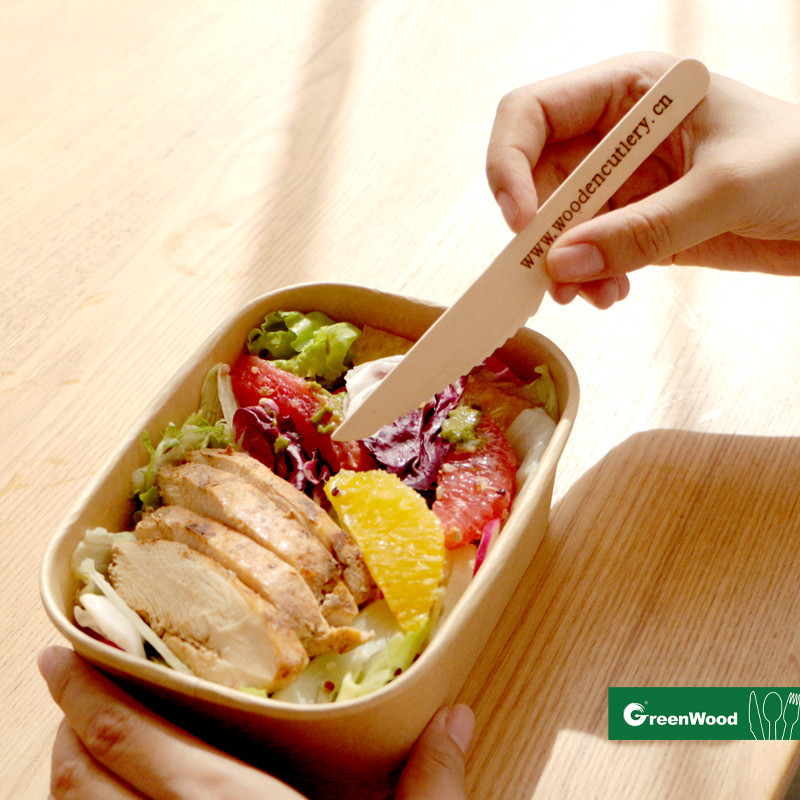
A few years ago, wooden cutlery felt like an easy answer.
Plastic was being restricted, customers wanted something “natural,” and wood or bamboo seemed to sit safely on the right side of every regulation. For a while, simply being plastic-free was enough.
That’s starting to change.
Over the past year, we’ve noticed that conversations around wooden cutlery—especially with professional buyers—have shifted. The questions are less about sustainability slogans, and more about what’s actually behind the product.
From “Eco-Friendly” to “Food-Contact Safe”
One quiet but important change across major markets is how regulators and buyers now treat wooden cutlery.

Instead of asking “Is this plastic-free?”, the focus is moving toward:
What kind of wood is being used?
How is it processed and finished?
Are there any additives, coatings, or treatments involved?
This is especially visible in Europe and the U.S., where food-contact compliance is becoming more detailed. Wooden products are no longer automatically assumed to be harmless just because they are natural.
In practice, this means wooden cutlery is slowly being judged by the same logic as other food-contact items: materials, processes, and consistency matter.
Buyers Are Asking Different Questions Now
Another noticeable shift is on the buyer side.
In earlier years, many orders were driven by speed and price—especially during the peak of plastic bans. Recently, more buyers are slowing down and asking things like:
Can you keep the same quality across different batches?
What kind of testing do you usually support?
Have you supplied this product long term to food-service or retail customers?
These aren’t trendy questions. They’re operational questions. And they suggest that wooden cutlery is no longer seen as a temporary replacement, but as a standard product category.
The Details That Are Getting More Attention
As expectations rise, some details that used to be overlooked are now getting real scrutiny:
Odor and taste: even untreated wood can cause complaints if processing isn’t controlled
Surface quality: splinters, rough edges, and breakage still matter at scale
Documentation: buyers increasingly expect clear, simple explanations, not just claims
None of this is new to the industry—but it’s becoming harder to ignore.
How We Look at It at GreenWood
At GreenWood, we’ve never been very comfortable treating wooden cutlery as a “fast-switch” product.
From our perspective, if something touches food, it should be approached with the same seriousness as any other food-contact item. That means being clear about materials, realistic about limitations, and careful not to overpromise.
We don’t believe this is about being conservative. It’s about being practical—especially in a market where regulations and buyer expectations keep tightening.
A Thought for Buyers
If you’re sourcing wooden cutlery today, it may be worth stepping back from the usual checklist.
Instead of only asking “Is this eco-friendly?”, it helps to ask:
Do I understand how this product is made?
Can this supplier support me if regulations or customer requirements change?
Is this built for repeat orders, or just for quick turnover?
Those answers tend to matter more over time.

Final Thoughts
Wooden cutlery is still a strong alternative to plastic—but it’s no longer the “easy option.”
As the market matures, the gap between products that simply look compliant and those that actually are will become more obvious. For both buyers and suppliers, that’s not a bad thing.
It’s how a category grows up.